
Markha Valley Trek
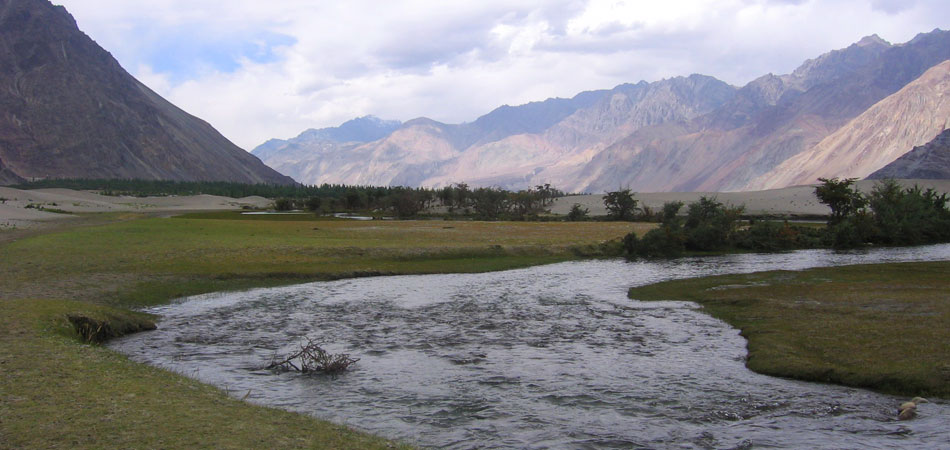
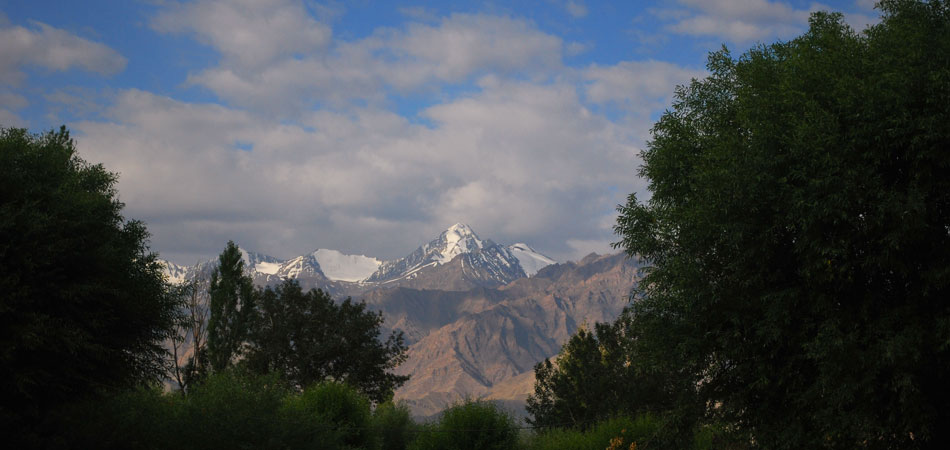

The Markha Valley trek begins from Chilling village passing through villages, shepherd camps across the arid and surreal Ladakh towards the Markha river taking you across Markha valley. At last it crosses Kongmaru Pass and finishes at Shangsumdo.
Returning home is the most difficult part of long-distance hiking; You have grown outside the puzzle and your piece no longer fits.
Cindy Ross
Overview
- Destination: Ladakh
- Location: Markha Valley
- Departure: Leh
- Google Map Co-ordinates: 34°00′11″N 77°12′42″E
- Nearest City (Airport): Leh
- Dates: On request
- Best Months: Mid-June – October
- Level: Moderate to Difficult
- Guide: Available
- Price: On request
Experience
Markha Valley trek is one of the popular and scenic treks in Ladakh. Slightly difficult due the high altitude, however if well acclimatised its a great hike across the beautiful Markha valley overshadowed tall Kangyatse and other majestic peaks. The trek begins at the Chilling village and crosses through the arid lands, small villages, shepherd camps and passes.
Itinerary
- Day 1 / Leh (3,524 m/11,562 ft.)
- Fly in to Leh. Rest and explore the Leh town. Catch the sunset at Shanti Stupa. Overnight stay in Leh with breakfast.
- Day 2 / In and around Leh: Shey - Thiksey - Hemis
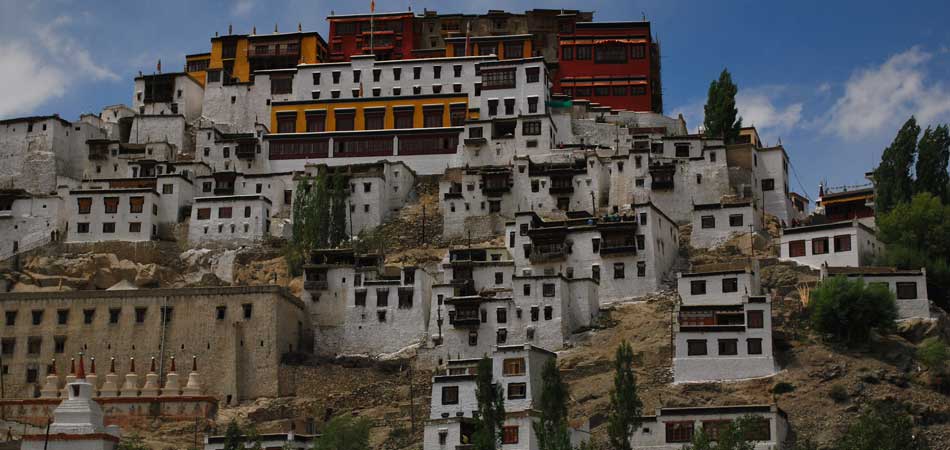
- Spend the day exploring the Buddhist heritage of Ladakh. Leh to Shey Palace: 13 km/25 min After breakfast start drive towards Shey Monastery. The Shey Monastery or Gompa and the Shey Palace complex are structures located on a hillock in Shey, 15 km (9.3 mi) to the south of Leh in Ladakh, northern India on the Leh-Manali road. Shey was the summer capital of Ladakh in the past. It contains a huge Shakyamuni Buddha statue. It is the second largest Buddha statue in Ladakh. The original palace, now in ruins, was built near the Shey village by Lhachen Palgyigon, the king of Ladakh (then called Maryul), in the 10th century. The Moghul noble Mirza Haidar Dughlat stayed here during his invasion of Ladakh in the 16th century. The current Shey Palace and Monastery were also built in 1655 on the instructions of Deldan Namgyal, in the memory of his late father, Sengge Namgyal, below the first palace. The monastery is noted for its giant copper with gilded gold statue of a seated Shakyamuni Buddha. The statue is so named since Buddha was the sage (muni) of the Sakya people who resided in the Himalayan foothills and their capital was Kapilvastu. It is said to be the second largest such statue in Ladakh. Shey Palace to Thiksey Monastery: 6 km/10 min After visiting Shey, drive towards Thikse Gompa or Thikse Monastery (also transliterated from Ladakhi as Tiksey, Thiksey or Thiksay) is a gompa (Tibetan-style monastery) affiliated with the Gelug sect of Tibetan Buddhism. It is located on top of a hill in Thiksey approximately 19 kilometers (12 mi) east of Leh in Ladakh, India. It is noted for its resemblance to the Potala Palace in Lhasa, Tibet, and is the largest gompa in central Ladakh, notably containing a separate set of buildings for female renunciates that has been the source of significant recent building and reorganisation. The monastery is located at an altitude of 3,600 meters (11,800 ft) in the Indus Valley. It is a twelve-storey complex and houses many items of Buddhist art such as stupas, statues, thangkas, wall paintings and swords. One of the main points of interest is the Maitreya Temple installed to commemorate the visit of the 14th Dalai Lama to this monastery in 1970; it contains a 15 meters (49 ft) high statue of Maitreya, the largest such statue in Ladakh, covering two stories of the building. Thiksey Monastery: to Hemis Monastery: 21 km/40 min After visiting Thiksey Monastery drive towards Hemis Monastery, which is located on the largest hill in the city - Hemis Math, which is the main attraction of the city. For the tourists, this city and its monasteries are very peaceful and relaxed. The museum in Hemis monastery is worth to watch for.The Hemis Monastery Ladakh was first rebuilt in 1630 AD by the Stagsung Raspa Nawang Gyatso. Later in 1972, King Senj Nampar Gwalwa rebuilt the monastery and also built a religious school then we start our journey towards Thikse Gompa or Thikse Monastery (also transliterated from Ladakhi as Tiksey, Thiksey or Thiksay) is a gompa (Tibetan-style monastery) affiliated with the Gelug sect of Tibetan Buddhism. It is located on top of a hill in Thiksey approximately 19 kilometers (12 mi) east of Leh in Ladakh, India. It is noted for its resemblance to the Potala Palace in Lhasa, Tibet, and is the largest gompa in central Ladakh, notably containing a separate set of buildings for female renunciates that has been the source of significant recent building and reorganisation. The monastery is located at an altitude of 3,600 meters (11,800 ft) in the Indus Valley. It is a twelve-storey complex and houses many items of Buddhist art such as stupas, statues, thangkas, wall paintings and swords. One of the main points of interest is the Maitreya Temple installed to commemorate the visit of the 14th Dalai Lama to this monastery in 1970; it contains a 15 meters (49 ft) high statue of Maitreya, the largest such statue in Ladakh, covering two stories of the building. Return to Leh for the night. Overnight stay in Leh with breakfast.
- Day 3 / Drive Leh to Chilling (3 hours) and trek Chilling to Skiu (3,400 m/11,155 ft): 2-3 hours
- Two days of acclimatisation in Leh is mandatory before starting today. The trek starts at the beautiful village of Chilling, which incidentally is the only village in Ladakh that has provided metal works such as copper, bronze, tin, silver and iron to the Leh market through the centuries. We will finish the day by hiking through a spectacular gorge before pitching camp at Skiu (3300m). Within this idyllic village lies an old monastery and ruins of an old castle (once a rest stop for the Royal family on their way to Srinagar).
- Day 4 / Skiu to Markha (3,700 m/12,139 ft) : 7-8 hours
- Following the Markha River, we will hike through the lovely valley on a fairly level path. The trail crosses the river at various points, and passes through winter settlements that contain Lhatos (religious shrines for local deities) and Mani walls (stones inscribed with Buddhist prayers). During peak season, a number of tented teahouses will be open, providing hearty refreshment. After cross the river for the last time, we will arrive in Markha, the largest village in the valley, consisting of around 20 houses, an old monastery and a ruined fort.
- Day 5 / Markha to Thachungtse (4,150 m/13,615 ft) : 5-6 hours
- The Markha valley trail continues past old stone-mills, a ruined castle and the auspicious monastery of Techa, which is proudly perched on a towering cliff that looms above Markha, well worth visiting if we have the energy! The path then intersects the river several times before cutting through the last hamlets in the valley. After leaving the village of Umlung, we will be afforded our first view of Kangyatse (6,400 m/20,997 ft), which will stay in sight until we cross Kongmaru La. After we break for lunch in the village of Hangkar (the last in the valley), we will press onward to the lovely green pasture of Thachungste, where we will camp.
- Day 6 / Thachungtse to Nimaling (4,720 m/15,486 ft) : 4 hours
- Today the trail will lead us up to the beautiful plateau of Nimaling, where the people of the Markha Valley bring their herds to graze during the summer months. At 4720m, Nimaling is the highest camp on the trek, giving us spectacular views of Kang Yatse to the right, the Zangskar Range and the Markha Valley below.
- Day 7 / Nimaling to Shangsumdo (3,660 m/12,008 ft) via Kongmaru La (5,130 m/16,830 ft) : 7 hours
- After breakfast, we will cross Kongmaru La, the highest pass on the trek. Here we have a wonderful view of the surrounding mountains and valleys. The 2-hour descend is quite steep, but will gradually level as we enter Shang Gorge, with its strange and otherworldly rock formations. More river crossings bar our way before we arrive at the sour-spring of Chuskurmo (used in traditional medicine by the Amchi doctors). After a break, we will pass through a couple of villages before reaching Shangsumdo.
- Day 8 / Shangsumdo to Leh via Martselang : 2 hours trek, 1 hour drive
- We will have a pleasant 2-hr walk along a jeep road to Martselang, where the jeep will pick us up. On the way to Leh, it might be possible to visit some of the great monasteries of Ladakh such as Thikse, Hemis and Shey.
Inclusions
Inclusions
- Camping & Trekking equipments including tents, sleeping bag, carry mat, dining tent, toilet tent, hot water bottles, gas heater (when needed),
- Personally trained professional guides, cook, porter/ponies to carry equipment as well as personal luggage.
- Forest entry and permits wherever needed.
- Ground support from an experienced team of adventurers and guides.
- Comfortable trek facilities.
- Food & Beverages: Breakfast, Lunch, Dinner, Tea etc. (Multi cuisine veg/non-veg prepared by well trained cooks).
Exclusions
- Airfares.
- Any kind of Insurance.
- Any cost of personal nature.
- Accommodation in Leh. Could be organised on request.
- Goods & Service Tax
- Any medical expenses, evacuation etc.
- Anything that is not mentioned in Inclusions.
Map
Book or Personalize
Its interesting, isn’t it?
Its now time to go out there and experience. Join today.
Price: On request
Book Now
Hope you liked it. Do you want to request some changes and personalize the experience – in terms of date of travel, exclusive group, additional facilities and any other?If yes, then
Personalize Here


